Guiding leaders through change
I help organizations and leaders reimagine what their teams can become. Together, we build human-centered systems that work, navigate the core tensions of leadership, and strengthen conflict fluency, emotional literacy, and psychological safety. The result is managerial effectiveness that ripples into lasting systemic change.


Clients List




















My services
-
Supporting care professionals through values-aligned, holistic support.
-
Insightful keynotes that translate complex concepts into actionable strategies, inspiring audiences to lead with greater empathy and effectiveness.
-
Trauma Informed, Strengths-based, anti-oppressive workshop design. Tailored bilingual facilitation.
-
Building equitable, accessible and belonging-centered organizations.
-
Trauma-informed, human-centered design leadership coaching for personal and professional growth.
-
Creating tools, materials, and content to support learning and organizational integrity.

A Relational and Collaborative Framework

-
We begin by coming together to know one another, not as roles or titles, but as people with lived expertise, cultural knowledge, and organizational contexts.
Together, we explore:
What is the spirit and scope of this work from each of our perspectives?
Who else should be at the table, especially those most affected but often left out (ex: frontline workers, service users, community Elders or Knowledge Keepers)?
What outcomes are meaningful to each of us? How do we define success collectively?
What is a realistic and respectful timeline, shaped by our mutual availability and community rhythms?
How do we want to share tasks, decision-making, and accountability?
-
With relationship as our foundation, we turn inward to understand current organizational realities and each party’s capacity for genuine collaboration.
This phase includes:
Identifying current organizational priorities through a lens of transparency; acknowledging constraints and opportunities for change.
Naming each collaborator’s expectations, boundaries, and hopes for shared decision-making.
Confirming task divisions that honour different forms of knowledge.
Asking openly: Who holds which kinds of power in this process, and how do we shift power toward those most impacted?
-
Before moving forward, we pause together to reflect.
This phase is an intentional space for:
Reviewing what we have learned so far—both about the work and about how we are working together.
Checking for unintended harms, hidden assumptions, or colonial patterns (ex: rushed timelines, extractive data gathering, or siloed decision-making).
Adjusting roles, timelines, or scope based on feedback from all collaborators, especially those with less institutional power.
Affirming what is working well and what needs repair or reimagining.
-
Together we begin implementation with clear agreements about:
How we will continue to communicate, revisit decisions, and adapt as we learn.
Who will hold ongoing accountability for each part of the work, and how progress is shared transparently.
How we celebrate and acknowledge contributions, including those often made invisible.
A commitment to return to earlier phases whenever needed—because collaboration is not linear, and anti-colonial practice requires ongoing humility and flexibility.
-
Once the work concludes, we gather to close with intention.
This phase includes:
Co-creating evaluation criteria based on the outcomes named in Phase 1, valuing both measurable results and relational knowledge (stories, trust, felt shifts).
Centering voices most affected (frontline workers, service users, community members) as the primary guides for assessing success and harm.
Naming what worked and what didn't without blame, with a commitment to repair where possible.
Acknowledging all contributions, especially invisible or relational labour, and deciding how credit and knowledge are shared back to the community in accessible, culturally respectful ways.
Clarifying next steps; whether the collaboration ends, transforms, or continues and if continuing, returning to Phase 1 with shared learning.
Closing with a reflective practice (ex: talking circle, shared meal, written commitment) to mark the ending as meaningful.

My work in action
-
![]()
Ottawa Local Immigrant Partnership
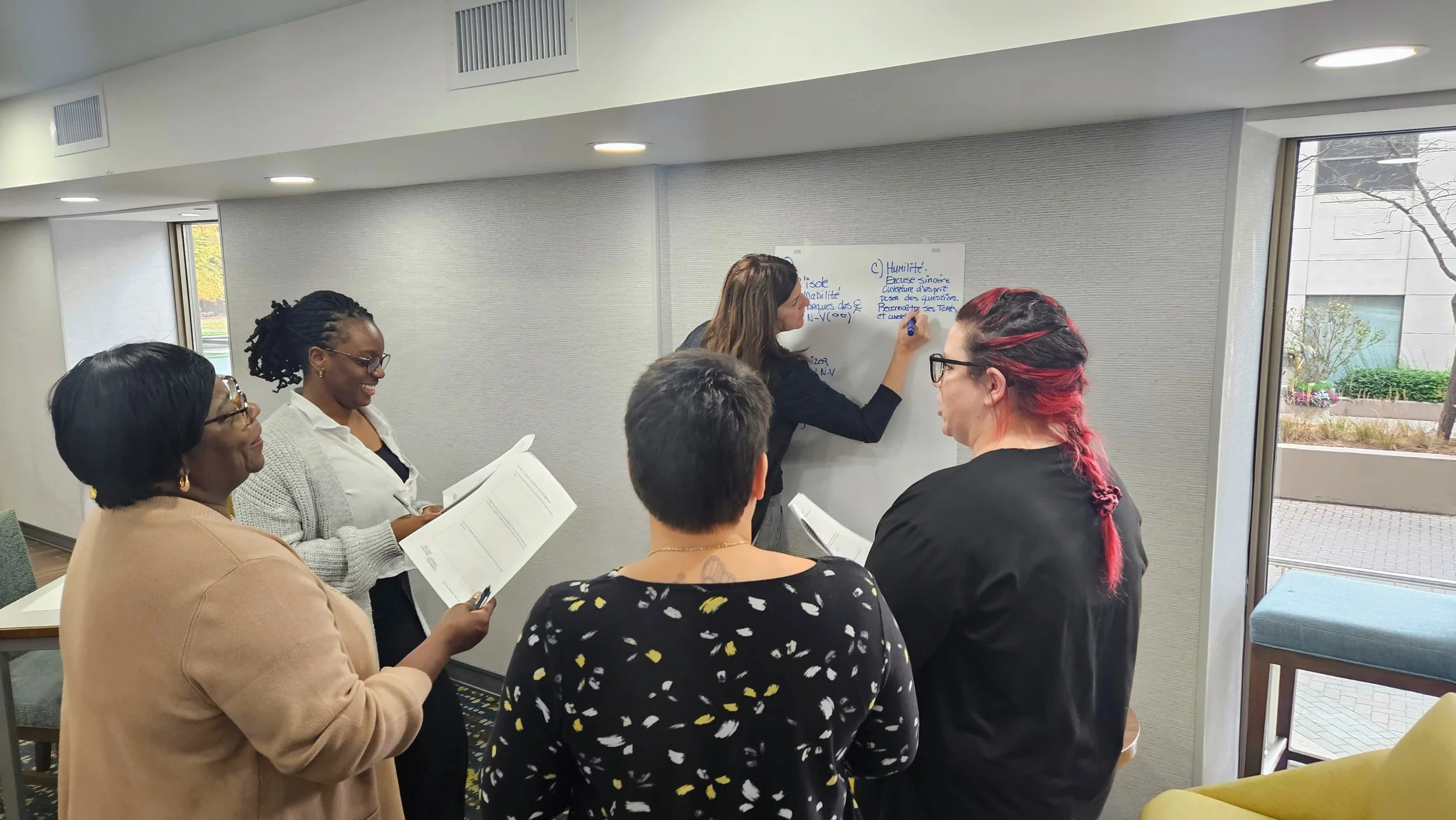
Full day. Francophone. Frontline action. Ottawa leaders diving into anti-racism and anti-oppression work, from theory to collective action.
-
![]()
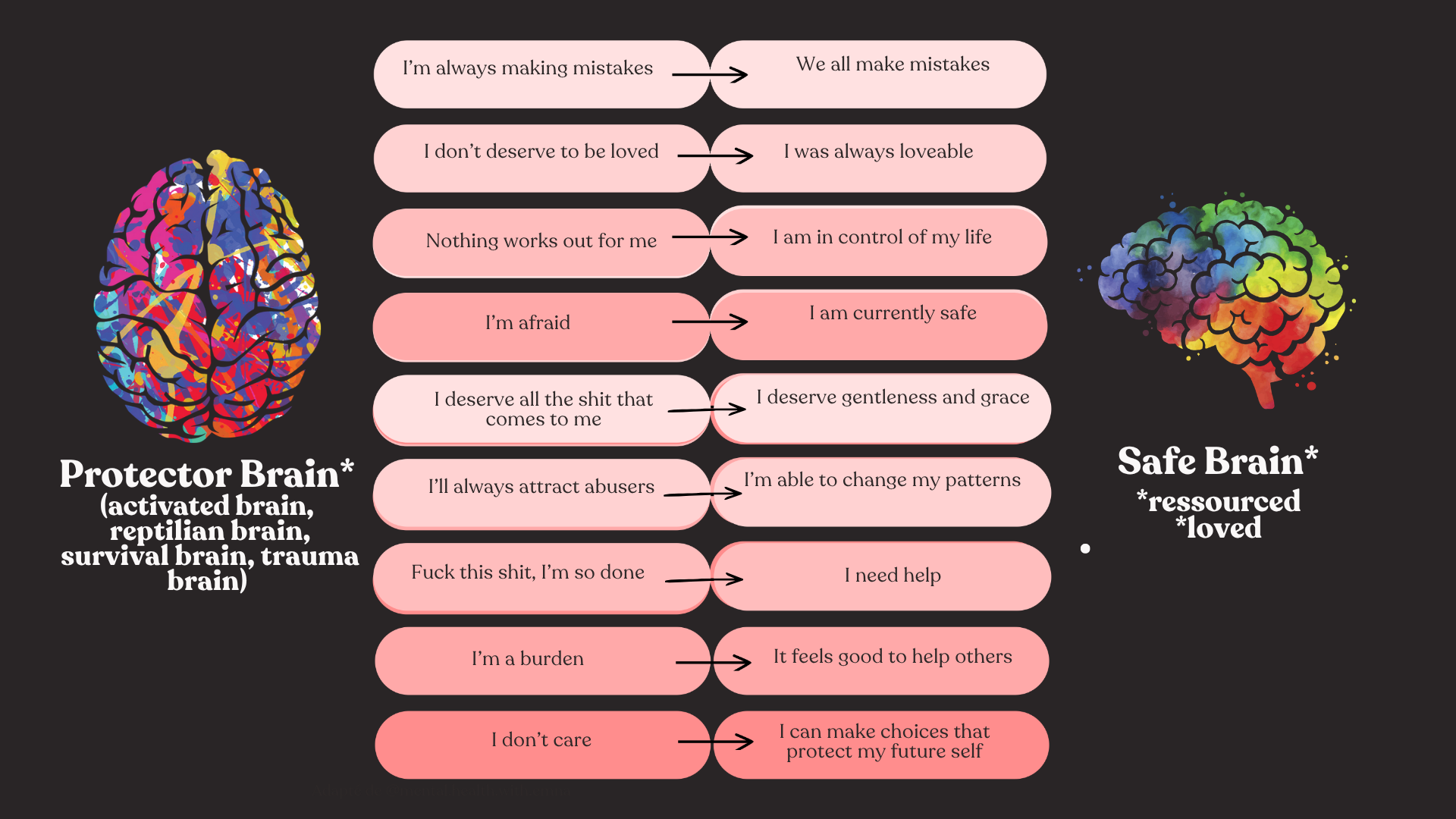
Balado Elles parlent avec Action Ontarienne
Behind the mic with the incredible team at Action Ontarienne, diving into an honest conversation about drug use stigma, harm reduction, and the often-overlooked intersection with gender-based violence.
-
![]()
Carleton University – Master of Social Work Students
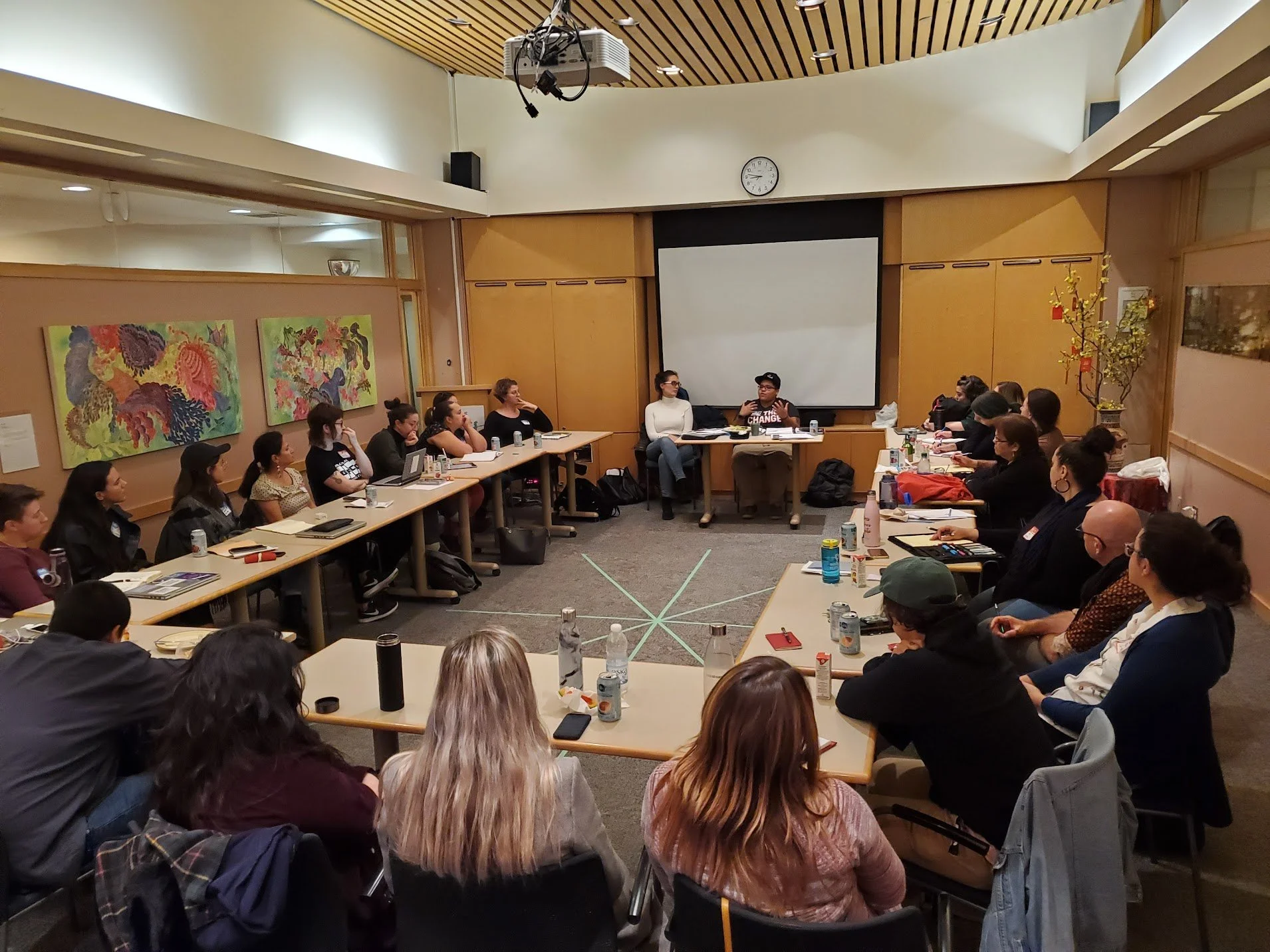
Policy gaps. Grassroots power. A powerful discussion with future social workers on where systems fall short and how community action fills the void.
-
![]()
University of Ottawa - Law Department
Trauma-informed meets justice in motion. Worked with brilliant law students already shifting the system through the Ticket Defense Program, deepening their trauma-informed approach to advocacy.
-
![]()
CUPE ARC 101
This foundational workshop was designed as a starting point for anyone ready to help build a more just and equitable union. It lays the groundwork with core concepts, shared language, and practical tools that connect to every resource CUPE Education offers. My aim is simple: give you a clear, actionable foundation so you can walk away feeling equipped to make real change, starting right where you are.
-
![]()
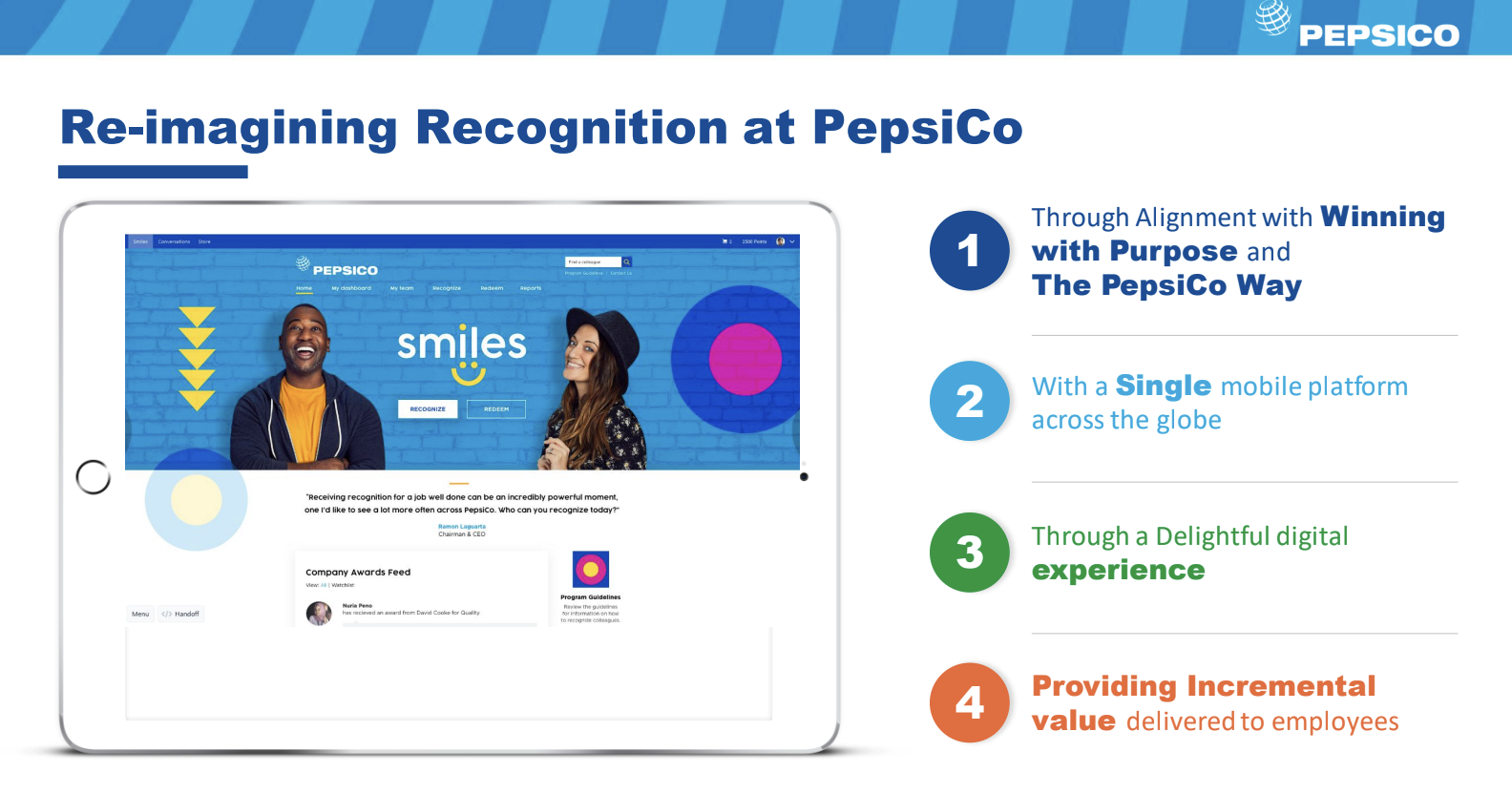
Pepsi International
Anti Oppression Training with Pepsi staff from all over the world.
-
![]()
Action Ontarienne Provincial Forum
Two full day training on trauma-informed approach with francophone gender based violence leaders from across the province.
-
![]()
OPO Statement closure of safe consumption sites
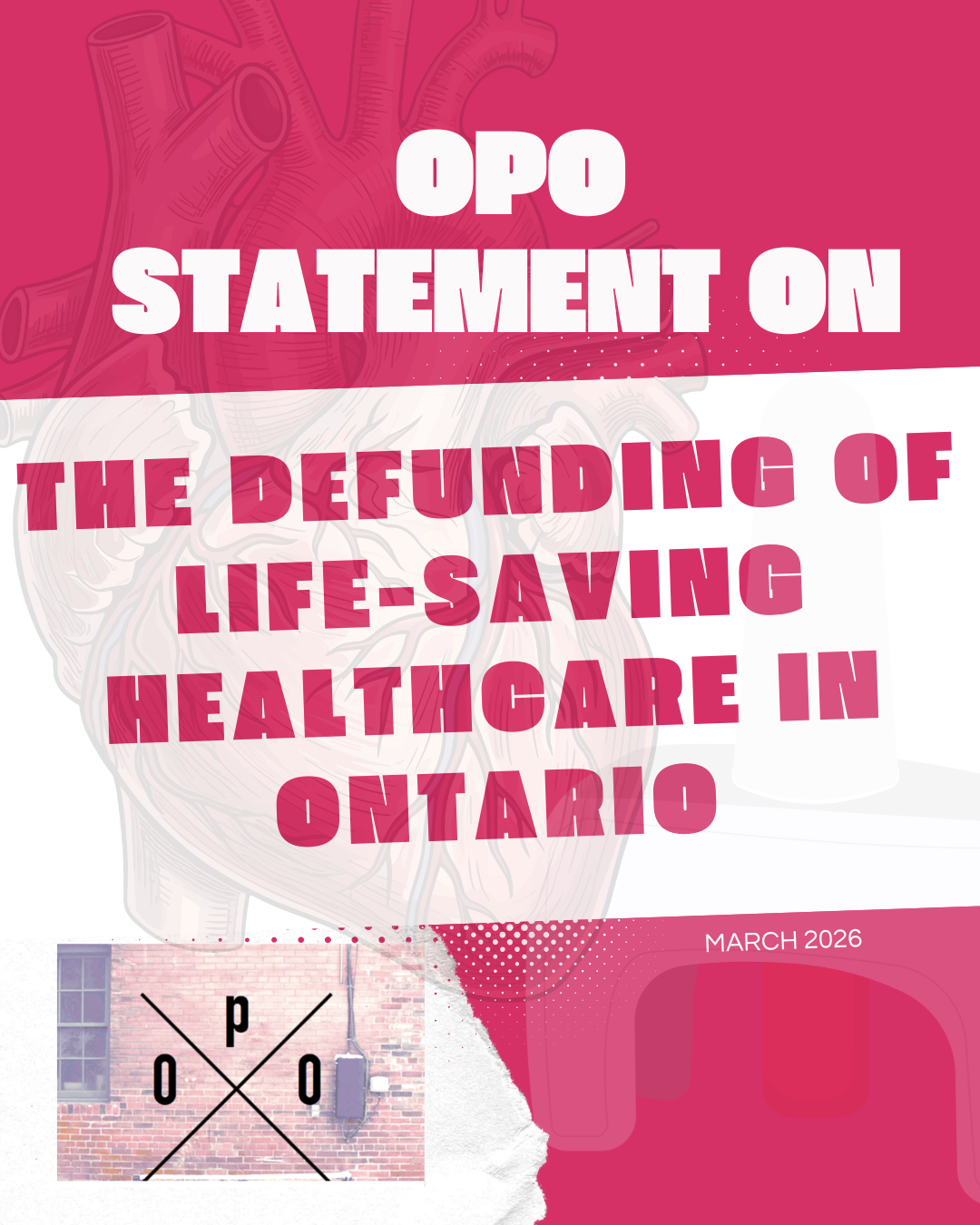
Overdose Prevention Ottawa opposes the closure of Ontario's safe consumption sites. These proven, life-saving services reduce overdoses and improve community safety. We call on the province to reverse this harmful decision and follow the evidence.
-
![]()
MMIWG Reading Group
A multi-week journey through the Missing & Murdered Indigenous Women and Girls (MMIWG) Report. Bearing witness, learning deeply, and healing in community.
-
![]()
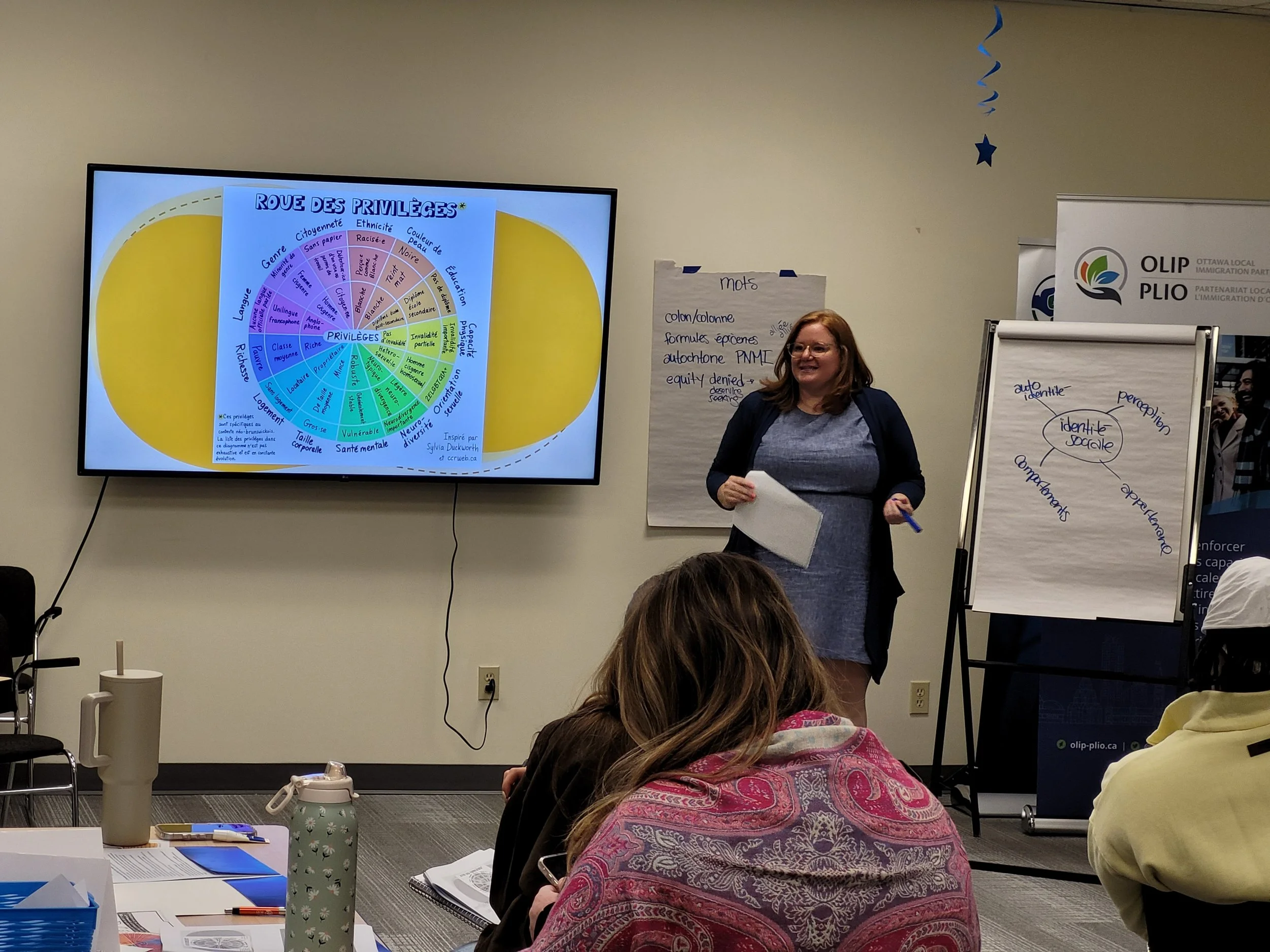
Mer Bleu College
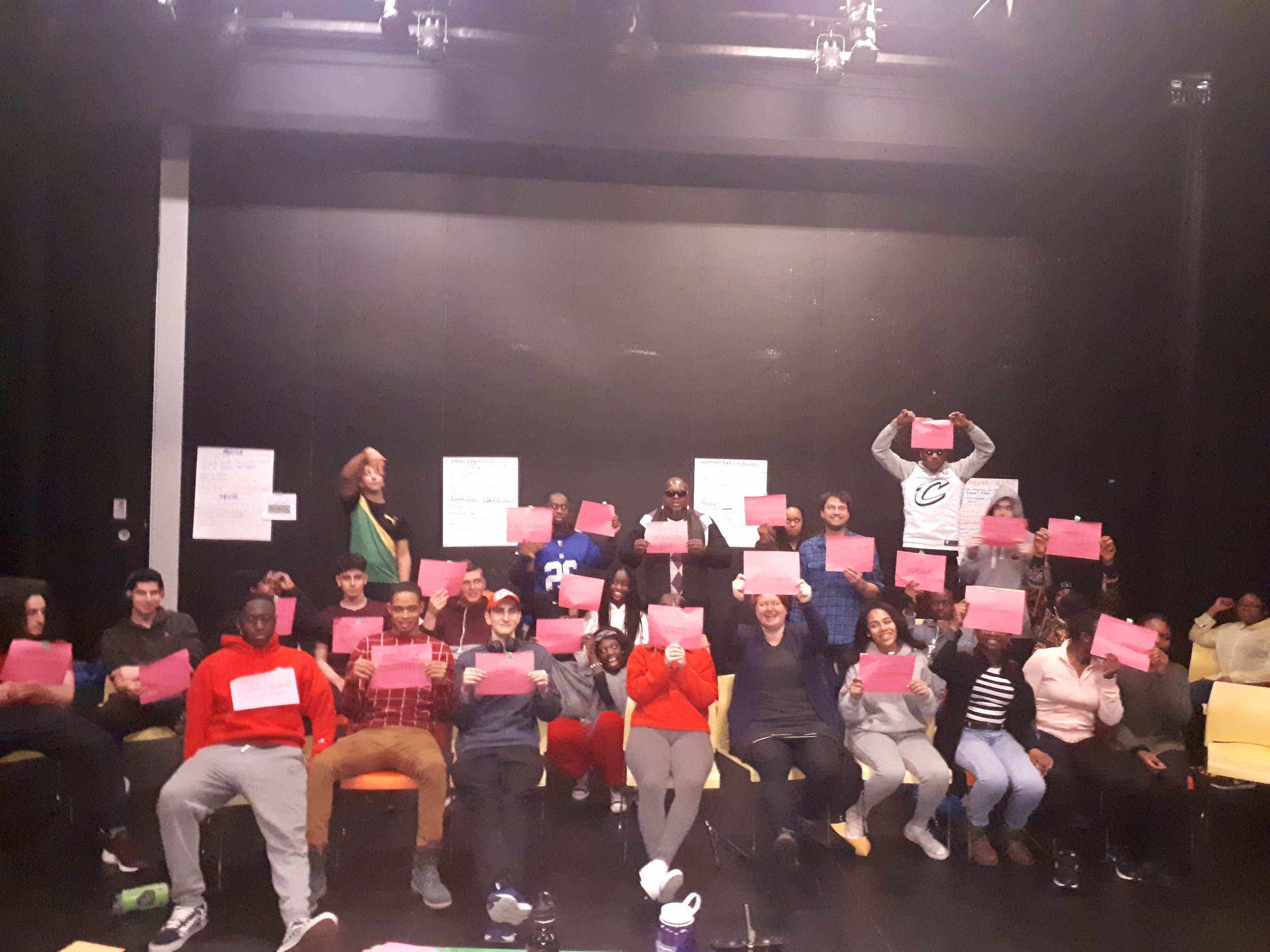
All of us. All in. Students, teachers, and admin came together to break down barriers and build up belonging through a school-wide anti-oppression training.

Wherever you're starting from, we begin together with intention.
Testimonials
“The world needs more compassionate, wise and tender leaders like Mélanie! Mélanie is a facilitator extraordinaire who creates learning environments founded upon shared values of diversity, love, trust, and personal/collective liberation. She embraces a vision of solidarity, social justice, and change from the inside out while holding the complexities of our shared humanity grounded within a historical and systemic framework. I highly recommend Mélanie Stafford as facilitator, coach, advisor, mediator and presenter as an antidote to this mad beautiful world!”
-Maureen St.clair
Adult Educator, Artist, Community Facilitator/Mediator/Coach and Co founder of The People's Listening Project
“Mélanie’s analysis, ability to create trauma-informed learning spaces is like no other. Staff look forward to our trainings with Mélanie, they've become a yearly highlight. Hire Mélanie, your organization will be better for it.”
-Canadian Cancer Foundation Manager
“Truly the best workshop we've ever had. Mélanie held space for our teams with such care and intention, and the connections we made with one another will stick with us well beyond this week. Her facilitation was thoughtful, engaging, and deeply human. I can't thank her enough.”
-Ontario GBV Shelter Director
"When we needed a foundational anti-racism course for a diverse union audience, Mélanie delivered on every front. Her grounding in anti-oppression, decolonization, and popular education shaped a curriculum that resonated across experience levels. In record time, we built a full course, glossary, and tools from the ground up. The pilots drew overwhelming praise, and today, the course is baseline training for every member nationwide. Mélanie turned a monumental challenge into a lasting institutional asset. If you want bold vision executed with speed, skill, and scale, she is the one."
- Danika Brisson, National Senior Labour Educator
If we've worked together and you'd like to share your experience, I would be so grateful. Please use the form here to leave a review.
Initiate a Strategic Partnership
Let's chat about how I can support your advocacy work and what a tailored approach might look like for your organization.